
MOVING ACROSS THE COUNTRY WITH A CAT
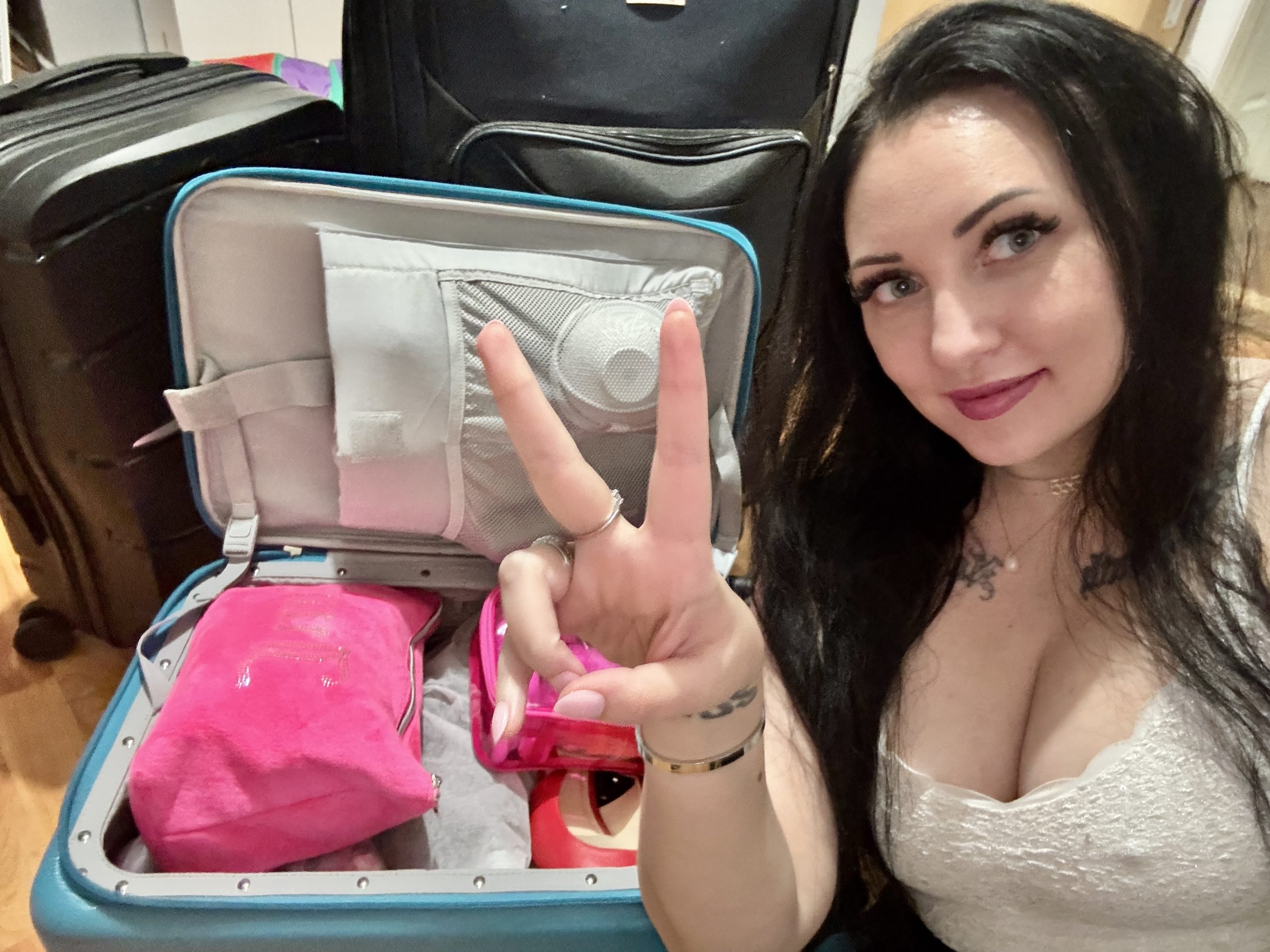
On October 21, Ozzy (my black smoke Devon Rex and the unofficial creative director of everything I make) and I flew from Oklahoma to Los Angeles, and moving cross country with a cat turned out to be its own special kind of chaos.
It was terrible. He spent the whole flight trying to break out of his carrier, and the calming chews I was counting on did absolutely nothing.
If I did it again, I’d book a vet visit weeks ahead and ask about prescription anxiety medication instead of trusting a $20 jar of chews. What did help was a Feliway diffuser once we landed, and he’s been a much calmer roommate since.
So this isn’t a post about how I nailed moving across the country with a cat. It’s about what went wrong, what I’d change, and the few things that actually helped, so your move goes better than mine did.
MEET THE PASSENGER
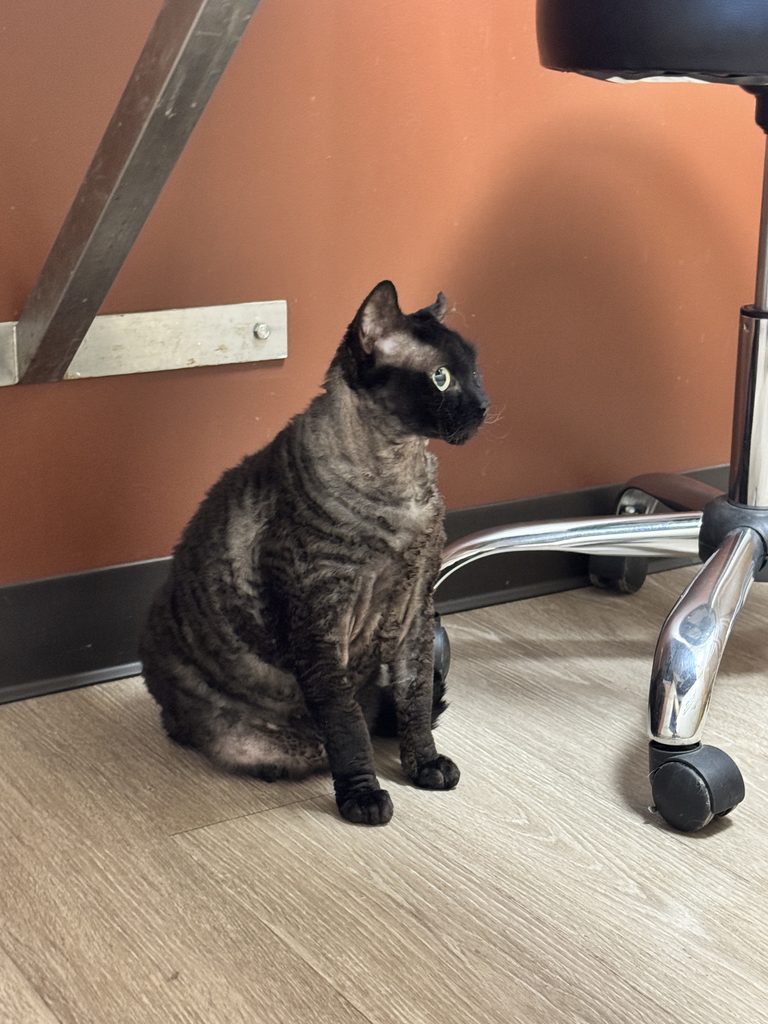
Ozzy is aloof, sassy, a little menacing, and a total cuddler when it suits him. He likes to perch, he likes to supervise, and he likes to be in charge of the schedule. He does not like small enclosed spaces he didn’t choose, which is basically the definition of a plane ride.
If you’ve never met a Devon Rex, here’s the short version. They’re known for curly coats, giant ears, big eyes, and a lot of energy. The Cat Fanciers’ Association describes them as 99% personality and 1% cat, which is accurate. They also tend to bond hard with their people and want to be involved in everything.

That combination (high energy, strong opinions, deeply attached to his routine) is exactly why moving across the country with a cat was so hard. Keep your own cat’s personality in mind as you plan. A laid-back cat and a cat like Ozzy are going to need very different levels of prep.
DRIVE OR FLY? WE FLEW (AND HERE’S WHAT THAT MEANS)
It was just me and Ozzy making the trip, so flying made sense on paper. It’s faster, and I didn’t have to plan days of driving and pet-friendly hotels. In practice, flying meant hours of him being confined with nowhere to go, plus an airport full of noise and strangers. Moving across the country with a cat is not easy, but I figured flying would be better for us both.

Paperwork-wise, driving is actually the easier route. California doesn’t require a health certificate for your own cat when you cross the state line by car. Airlines are a separate layer. Most of them want a health certificate no matter what the state says, and pet rules vary from airline to airline, so call yours before you book anything. Ask about their carrier size limits, fees, and how many pets they allow in the cabin per flight, since spots can fill up.
If you’re flying, also know what happens at security. TSA has you take your cat out of the carrier so the empty carrier can go through the X-ray, then you carry your cat through the metal detector. If your cat is a flight risk (literally), you can ask for a private screening room so they can’t bolt in the middle of the terminal. For a cat as anxious as Ozzy, I’d request that room every time.
DOES CALIFORNIA REQUIRE ANYTHING FOR MOVING ACROSS THE COUNTRY WITH A CAT?
Good news here. For a pet cat that isn’t being sold or changing owners, the California Department of Food and Agriculture has no extra import requirements. You don’t need special state paperwork just to bring your own cat in.
The part people forget comes after you land. Pet licensing is handled locally by your city or county, so the rules depend on where you end up. Look up your new city’s or county’s animal services page in your first few weeks so you’re not scrambling later when moving across the country with a cat.
Remember that the airline’s rules are separate from the state’s. California being relaxed about cats doesn’t mean your airline is.
THE CARRIER: OUR SURVIVAL BUBBLE (THAT HE HATED)
Ozzy flew in his carrier. Before he went in, I gave him Churu treats, because if you’re about to ask a cat to do something he hates, you’d better bring snacks. It didn’t make him love the carrier, but it made the moment of getting in a little less of a betrayal.
Once he was in, he scratched at the carrier constantly and tried to get out for basically the entire trip. That’s not the carrier failing. That’s a terrified cat. It held up, kept him contained, and got him there, which is the whole job.
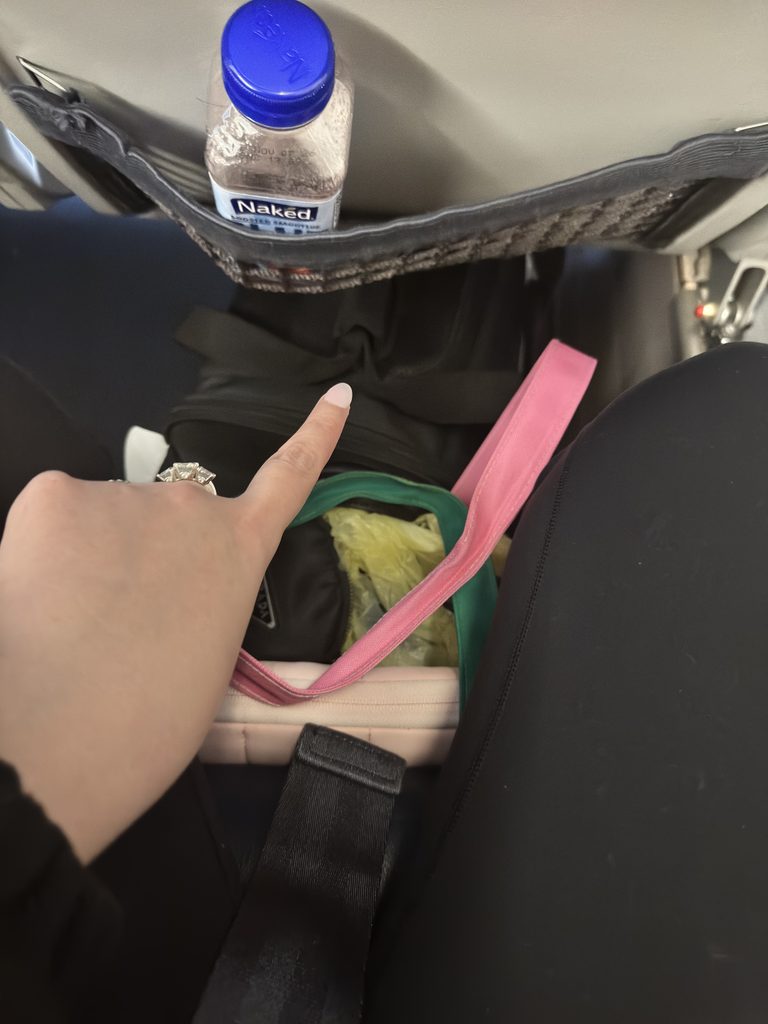
If you have time before your move, leave the carrier out in your home for a few weeks so it becomes furniture instead of a threat. TSA’s own advice is similar: feed your cat in the carrier and let them go in and out of it on their own in the days before the trip. The goal is for the carrier to mean “normal Tuesday” instead of “something terrible is about to happen.”
THE CALMING CHEWS: A CAUTIONARY TALE
I tested calming bites at home before the move. He fell asleep, so I figured we were set. I felt very prepared. I was not prepared.
On travel day, they did nothing at all. Same cat, same chews, completely different situation. Whatever mild effect they had on a cozy afternoon at home was no match for an airport, a plane, and hours in a carrier.
The lesson: a sleepy cat on your couch tells you nothing about a cat at an airport. Cats nap at home anyway, so a test run there isn’t really a test of the stress you’re trying to prepare for. If you try calming chews, treat them as a maybe, not a plan, and have a backup.
WHAT I’D DO DIFFERENTLY WHEN MOVING ACROSS THE COUNTRY WITH A CAT: SEE A VET FIRST
If I could redo one thing, I’d take Ozzy to a vet a few weeks before the flight and ask about prescription options for travel anxiety, like gabapentin. Vets commonly use it for stressed cats, and there’s research behind it. In a 2017 study published in the Journal of the American Veterinary Medical Association, cats given gabapentin before a car ride and vet visit had significantly lower stress scores during transport than cats given a placebo.
It isn’t a casual over-the-counter thing, though. Sleepiness was the most common side effect in that research, and only a vet can tell you whether it’s right for your cat, how much to give, and when to give it. That’s exactly why this conversation should happen weeks early, not the night before your flight. Your vet may also want to do a trial run at home first.
I spent $20 on chews hoping to skip that step, and it didn’t work. Booking the vet visit would have cost more upfront and probably saved both of us a miserable day.
THE FIRST FEW WEEKS: CHAOS, THEN FELIWAY
Ozzy was a wild man for the first few weeks in our new place. New rooms, new smells, new sounds, and his entire routine was gone. That’s a lot for any cat, and a lot for a Devon Rex who takes his routine very seriously.
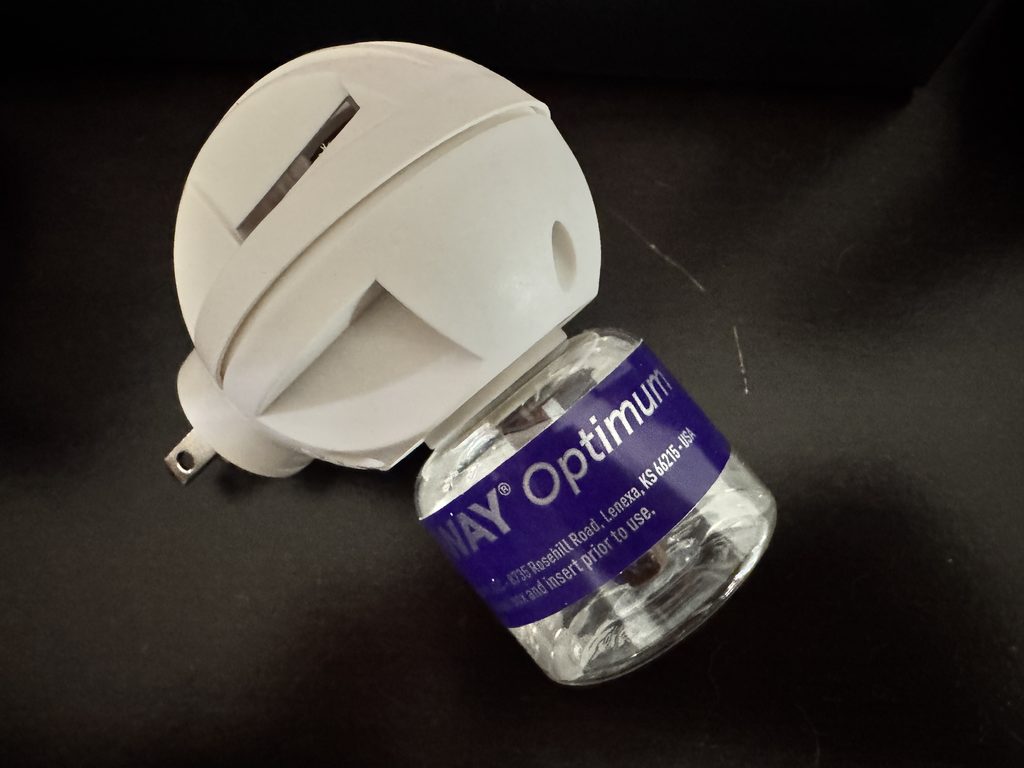
Then we plugged in a Feliway diffuser, and he’s been noticeably better behaved since. Feliway diffusers release a synthetic version of the pheromones cats use to mark a space as safe. You can’t smell it, so it’s easy to forget it’s there. Each refill lasts up to 30 days and covers up to about 700 square feet, so plug it into the room where your cat spends the most time and keep it plugged in. It’s not magic, but it took the edge off for both of us.
Another tip worth trying: set your cat up in one quiet room first with their litter box, food, water, and something that smells like home. Once they’re comfortable there, let them explore the rest of the place one room at a time. A whole new home all at once is a lot. One room is manageable.
MY MOVING ACROSS THE COUNTRY WITH A CAT CHECKLIST
- Call your airline about pet rules, fees, carrier sizes, and health certificates before you book.
- Book a vet visit a few weeks out and ask about travel anxiety medication.
- Leave the carrier out at home for weeks before the move, and feed your cat in it.
- Bring treats to make getting into the carrier less of a betrayal.
- Don’t trust a calm test run at home to predict travel day.
- Ask TSA for a private screening room if your cat might bolt.
- Set up one quiet room for your cat when you arrive.
- Plug in a calming diffuser in that room and keep it on.
- Look up your new city or county’s pet licensing rules.
- Find a new vet near your new home before you actually need one.
SHOP OZZY’S MOVE
- The carrier he flew in: shop the carrier
- The treats I gave him before he went into the carrier: shop Churu
- The diffuser that saved our first month: shop the Feliway diffuser
Frequently Asked Questions
Start weeks ahead. Leave the carrier out at home so it feels normal, and feed your cat in it. Book a vet visit a few weeks before the move to talk about travel anxiety. If you’re flying, call your airline early about its pet rules, fees, and carrier size limits.
Not from the state. California has no extra import requirements for a pet cat that isn’t being sold or changing owners. Airlines are separate, though, and most require a health certificate, so check with yours before you book. After you move in, look up your city or county’s pet licensing rules.
TSA has you take your cat out of the carrier so the empty carrier can go through the X-ray machine. Then you carry your cat through the metal detector. If your cat might try to bolt, ask for a private screening room so they can’t escape into the terminal.
They didn’t work for Ozzy. He got sleepy when I tested them at home, but on travel day they did nothing. A calm cat on your couch doesn’t predict how they’ll handle an airport. For a very anxious cat, ask your vet about prescription options like gabapentin, which has been studied for reducing stress in cats during transport. Only a vet can say whether it’s right for your cat and how much to give.
Set your cat up in one quiet room first with their litter box, food, water, and something that smells like home, then let them explore one room at a time. A calming diffuser like Feliway can help too. Each refill lasts up to 30 days and covers about 700 square feet, so plug it in where your cat spends the most time. Ozzy was chaotic for his first few weeks in LA and has been noticeably calmer since we started using one.